
 Project home
b. Test: CFT1: Sensor data visualization
1. Introduction
<include a short summary of the claims to be tested, i.e., the effects of the functions in a specfic use case>
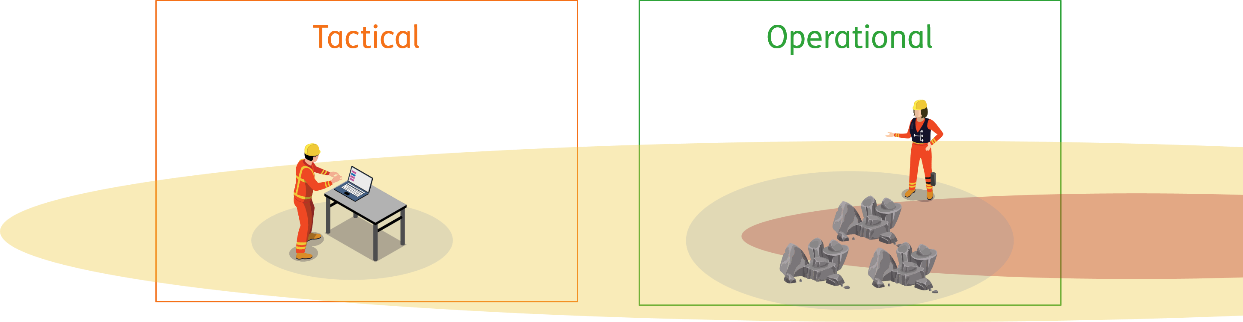
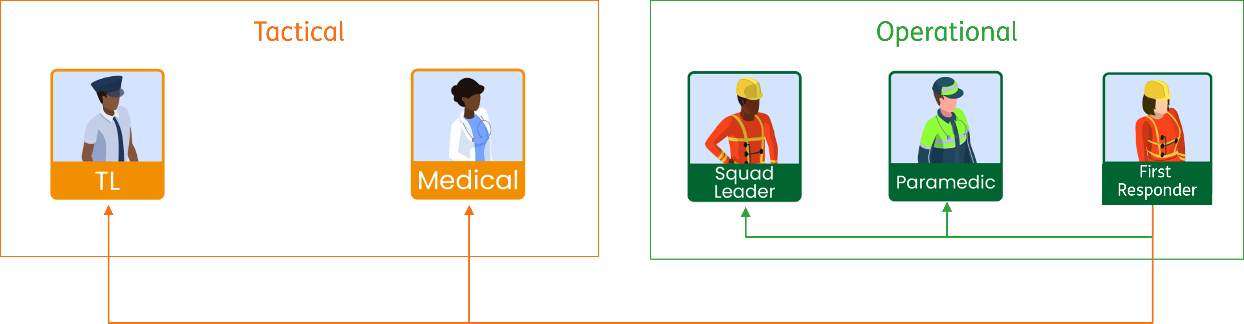
The goal of this test was to understand what type of information would support each role at different levels (strategic, tactical, operational) in performing their tasks, particularly in decision-making. We focused mainly on the tactical and operational levels.
2. Method
For each technology, a separate questionnaire was prepared. In total, five distinct questionnaires were created in Survalyzer. All the questionnaires included the same types of questions:
- General Open Questions: Firstly, the participants were asked how they thought data could be helpful and how it should be visualized to be useful.
- Information Needs: Next, the questions focused on the different information needs of tactical and operational roles, asking participants which data they would want and need for their roles.
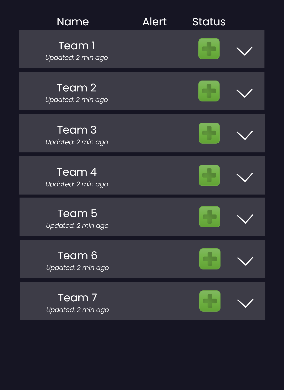
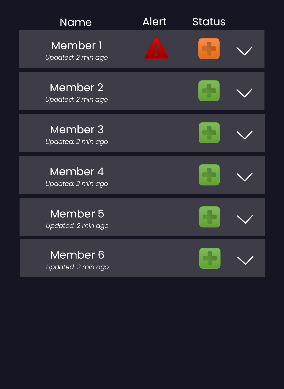
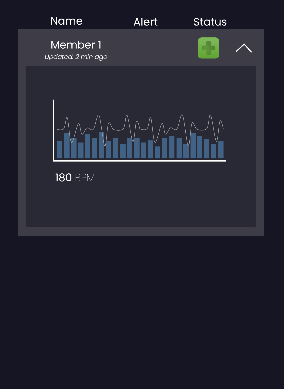
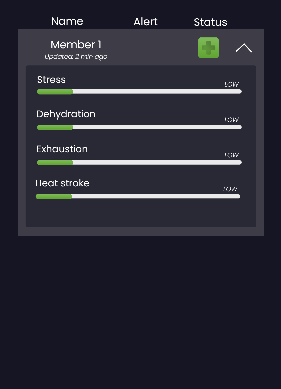
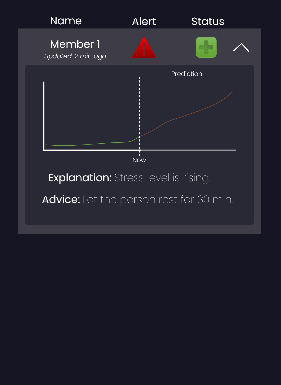
- Visualization Examples: Lastly, various examples of data visualizations were shown to get an indication of which role would want to see what type of data visualization. The examples included basic traffic lights, raw data, aggregated data, predictions, and advice. See appendix B for all the designs that have been made.
2.1 Participants
A total of 12 partners completed questionnaires during the field test in Athens. The health questionnaire was filled out by 5 partners, the communication questionnaire by 2 partners, and the location questionnaire by 4 participants. Although a questionnaire for the gas sensors (also by WEARIN’) was prepared, we decided not to focus on it in Athens since the gas sensor was not used during the exercises. The questionnaires were completed by individuals in various roles, including researchers, drone pilots, paramedics, incident commanders, chief SAR, and firefighters.
2.2 Experimental design
The table below shows the start questions of every questionnaire:
| Participant information | |
| Q: What type of partner are you? | Answer options:
|
The questionnaire for the WEARIN’ body sensor data is detailed in the table below.
| WEARIN’ health data | |||||||||
| Q: What types of health data do you think helps determines the status of a First responder? | Open answer | ||||||||
| Q: Which data should have the highest priority? (and how should it be communicated?) | Open answer | ||||||||
| Q: How is health data currently communicated within an USAR operation? | Open answer | ||||||||
| Q: How can we display health data in a helpful manner? | Open answer | ||||||||
This visualization that is presented during the next two questions. | |||||||||
| Q: What medical data would be useful for the people at USAR basecamp? (tactical) | Open answer | ||||||||
| Q: What medical data would be useful for the people at the operational worksite? (operational) | Open answer | ||||||||
Visual description: We have selected these roles that could benefit from seeing medical data, divided again in tactical and operational roles. What type of information should each role see according to you? And why? | |||||||||
| Q: How important is seeing medical data to the Team Lead role? (Tactical) | Likert scale | ||||||||
| Q: Why? What type of information would be relevant? | Open answer | ||||||||
| Q: How important is seeing medical data to the Medical staff? (Tactical) | Likert scale | ||||||||
| Q: Why? What type of information would be relevant? | Open answer | ||||||||
| Q: How important is seeing medical data to the Squad leader role? (Operational) | Likert scale | ||||||||
| Q: Why? What type of information would be relevant? | Open answer | ||||||||
| Q: How important is seeing medical data to the Paramedic? (Operational) | Likert scale | ||||||||
| Why? What type of information would be relevant? | Open answer | ||||||||
| Q: How important is seeing medical data to the First responder itself? (Operational) | Likert scale | ||||||||
| Q: Why? What type of information would be relevant? | Open answer | ||||||||
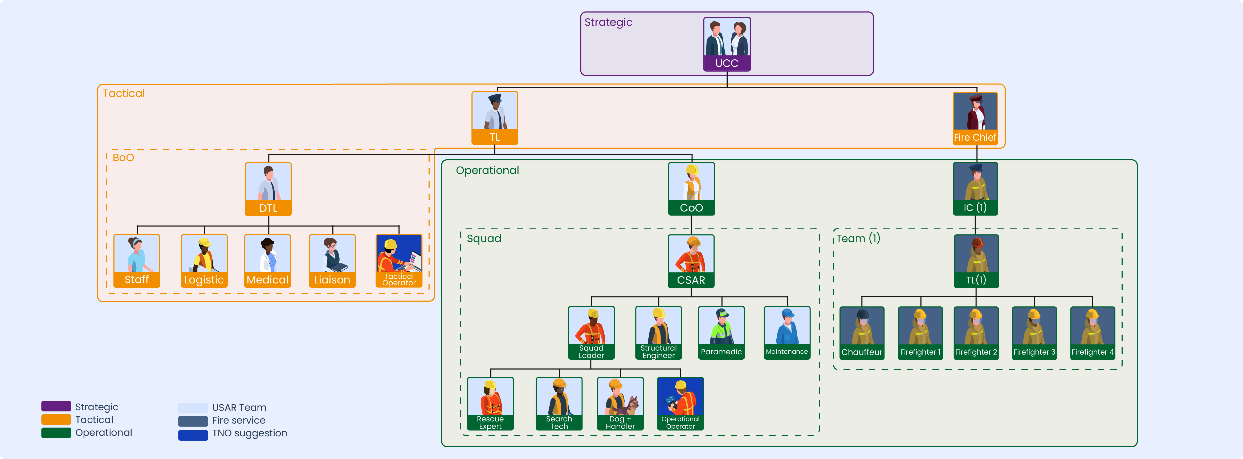
This visualization is presented during the next questions. | |||||||||
| Q: Fill in which other roles could be relevant and why | Open answer | ||||||||
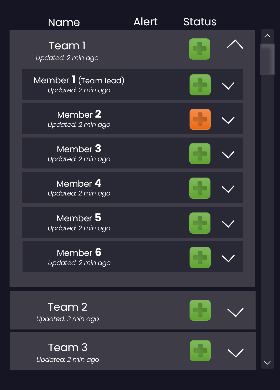
These visualizations is presented during the next ten questions. | |||||||||
| Q: How important is the first screen for the Team Lead? | Likert scale | ||||||||
| Q: How important is the first screen for the Medical Staff? | Likert scale | ||||||||
| Q: How important is the first screen for the Squad leader? | Likert scale | ||||||||
| Q: How important is the first screen for the Paramedic? | Likert scale | ||||||||
| Q: How important is the first screen for the First Responder itself? | Likert scale | ||||||||
| Q: How important is the second screen for the Team Lead? | Likert scale | ||||||||
| Q: How important is the second screen for the Medical Staff? | Likert scale | ||||||||
| Q: How important is the second screen for the Squad leader? | Likert scale | ||||||||
| Q: How important is the second screen for the Paramedic? | Likert scale | ||||||||
| Q: How important is the second screen for the First Responder itself? | Likert scale | ||||||||
This visualization is presented during the next seven questions. | |||||||||
| Q: How important is the second screen for the Team Lead? | Likert scale | ||||||||
| Q: How important is the second screen for the Medical Staff? | Likert scale | ||||||||
| Q: How important is the second screen for the Squad leader? | Likert scale | ||||||||
| Q: How important is the second screen for the Paramedic? | Likert scale | ||||||||
| Q: How important is this screen for the First Responder itself? | Likert scale | ||||||||
| Q: Do you think this is a good way to display the status of a first responder? Why or why not? | Open answer | ||||||||
| Q: Is there something missing from this view? | Open answer | ||||||||
This visualization is presented during the next questions. | |||||||||
| Q: How important is the second screen for the Team Lead? | Likert scale | ||||||||
| Q: How important is the second screen for the Medical Staff? | Likert scale | ||||||||
| Q: How important is the second screen for the Squad leader? | Likert scale | ||||||||
| Q: How important is the second screen for the Paramedic? | Likert scale | ||||||||
| Q: How important is this screen for the First Responder itself? | Likert scale | ||||||||
| Q: Do you think this is a good way to display the status of a first responder? Why or why not? | Open answer | ||||||||
| Q: Is there something missing from this view? | Open answer | ||||||||
This visualization is presented during the next questions. | |||||||||
| Q: How important is the second screen for the Team Lead? | Likert scale | ||||||||
| Q: How important is the second screen for the Medical Staff? | Likert scale | ||||||||
| Q: How important is the second screen for the Squad leader? | Likert scale | ||||||||
| Q: How important is the second screen for the Paramedic? | Likert scale | ||||||||
| Q: How important is this screen for the First Responder itself? | Likert scale | ||||||||
| Q: Do you think this is a good way to display the status of a first responder? Why or why not? | Open answer | ||||||||
| Q: Is there something missing from this view? | Open answer | ||||||||
This visualization is presented during the next questions. | |||||||||
| Q: How important is the second screen for the Team Lead? | Likert scale | ||||||||
| Q: How important is the second screen for the Medical Staff? | Likert scale | ||||||||
| Q: How important is the second screen for the Squad leader? | Likert scale | ||||||||
| Q: How important is the second screen for the Paramedic? | Likert scale | ||||||||
| Q: How important is this screen for the First Responder itself? | Likert scale | ||||||||
| Q: Do you think this is a good way to display the predictions about the first responder's health? Why or why not? | Open answer | ||||||||
| Q: What do you think of this advice function, does it explain enough? What else would you want to know when making a decision? | Open answer | ||||||||
2.3 Tasks
2.4 Measures
2.5 Procedure
2.6 Material
3. Results
4. Discussion
5. Conclusions
Health data
Types of health data: heart rate, respiratory rate, body temperature, blood pressure, and mental health were frequently mentioned as essential.
Reasoning given for roles
- Team Lead - Important for monitoring the overall safety of teams.
- Medical Personnel - Essential for making critical decisions.
- Paramedic (Operational) - Necessary for directly treating team members.
- First Responder - Relevant for personal health and well-being.
Conclusion: Health data is essential for a wide range of roles, but the requirements vary greatly. Medical personnel and paramedics request detailed and contextual data, while team leaders and first responders value summaries and simple alerts more. Transparency in predictive models is necessary to build trust.
Location data
Types of Location data: Location data such as GPS coordinates, building heights, and paths to victims were frequently mentioned.
Reasoning given for roles
- Team Lead - Essential for team coordination.
- Squad leader (Operational) - Necessary for instructing team members.
- First Responder - Helps with orientation and finding victims.
Conclusion: Location data plays a crucial role in both tactical and operational decisions. Tactical team leaders want aggregated and sector-based data, while operational roles such as squad leaders and first responders need detailed and real-time information. 3D maps and interactive elements are valuable tools to improve navigation and coordination.
Communication data
Types of communication data: Respondents emphasized the importance of RSSI (signal strength), signal speed, and interference detection.
Reasoning given for roles
- Team Lead - Important for monitoring team connectivity.
- IT Specialist - Crucial for troubleshooting.
- Squad leader (Operational) - Relevant for field communication.
- First Responder - Only needed for personal connectivity.
Conclusion: Communication plays a central role at all levels of USAR operations. Tactical users need extensive analyses to monitor team status, while operational roles such as IT specialists focus on technical troubleshooting. Advisory functions and visual simplicity could contribute to effectiveness in the field.